


Utility Guide to Renting
Before signing the lease for a new apartment, it is important to understand the monthly costs for utility services. The Office of the Ohio Consumers’ Counsel (OCC), your residential utility consumer advocate, has many resources to help Ohioans understand utility service, how to read monthly bills, how to handle door-to-door energy marketers, respond to offers, and ways to save money.
- Setting up service
- Know simple ways to save money
- Understand what you’re paying
- Look out for submetering
- Understand your energy choices
Setting up service
Refer to the rental agreement to learn who is responsible for setting up utility service. Is utility service the landlord’s responsibility or the tenant’s?
If the tenant is responsible for establishing the utility service, the utility company will likely want to check the tenant’s financial responsibility and may run a credit check. Without sufficient credit history, or if there is a history of utility service disconnection for nonpayment, the customer may be required to pay a deposit to establish new service.
Below is more information on common utility issues and OCC’s tips for tenants.
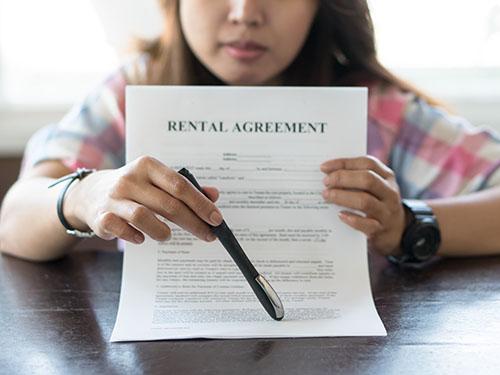
Utility Service for Tenants (Submetering)
Tenants should understand how they will receive and pay for utility services before signing a lease agreement.

Electric Bill Made Easy
It is important that you read your bill each month, look for any unusual charges, and keep track of your normal electricity usage.

Natural Gas Bill Made Easy
It is important to read your bill each month, look for any unusual charges, and keep track of your normal natural gas usage.

Telephone Service Options Available to Consumers
Technology has made more communication options available.
Know simple ways to save money
There are simple, low-cost ways renters can save money. A common energy-wasting culprit is standby power, also called “vampire power.” According to Energy Star, vampire power costs the average U.S. household spends $165 per year. Many common household electronics, like microwaves, televisions and phone chargers are using power while they are plugged in but not in use. The average home has 25 electronic devices, and their combined vampire power usage can be surprising. OCC’s fact sheets have information about the power used by devices in standby mode and other tips to save energy and money.

A Consumer's Guide to Water Conservation
When Ohioans use less water to accomplish the same things, it will save money and help ensure a water supply is available for the future.

Conserve Energy and Save Money
Learn energy-saving tips that can reduce your home’s energy costs.


How to Shop for Lightbulbs
This simplifies the information to help you choose the best bulb to meet your needs.

What's draining your energy? Vampire Power
The average household spends $100 every year on vampire power.
Understand what you’re paying
It’s important to read the utility bill every month and check the charges. Some Ohio utility consumers have reported their natural gas or electric supplier was switched without their consent “slammed” by energy marketers, which is illegal. Also, unauthorized charges are sometimes “crammed” onto bills.
To avoid paying for unauthorized services, review all account charges and listed suppliers carefully. OCC’s How to Avoid Utility-Related Scams and Fraud fact sheet explains what to do in the case of slamming and cramming.
Use OCC’s fact sheets for an explanation of common billing charges. Contact the utility company with any questions.
To avoid late fees or missing a payment, pay the bill by its due date. For the convenience of online or over-the-phone payments, a consumer may be charged a fee each time a payment is made. Before using these methods to pay a bill, check if any charges apply for the service.
Utility and third-party companies may offer utility line warranties to cover repairs to water, sewer, electric, or gas lines. These are often unnecessary for renters.

Electric Bill Made Easy
It is important that you read your bill each month, look for any unusual charges, and keep track of your normal electricity usage.

How to Avoid Utility-Related Scams and Fraud
Common utility-related scams, how to avoid being scammed, and where to report it.
Natural Gas Bill Made Easy
It is important to read your bill each month, look for any unusual charges, and keep track of your normal natural gas usage.

Telephone Bill Made Easy
You receive and pay your telephone bill every month, but do you know what the charges on your bill mean?
Look out for submetering
Some Ohioans do not receive bills from the local utility distribution company, especially in some new apartment complexes or condominiums. Instead, they receive bills from a third-party submetering company. Submetering companies place a meter in each unit of a housing complex and record each unit’s usage. However, some submetering companies have overcharged consumers.
Before signing the lease, check for utility-related information. If essential utility services are submetered, research the company with the Better Business Bureau, talk with the landlord and current residents to better understand the charges.
The Ohio Supreme Court ruled that submetering companies must be regulated like utility companies. The PUCO has yet to issue rules on this directive.
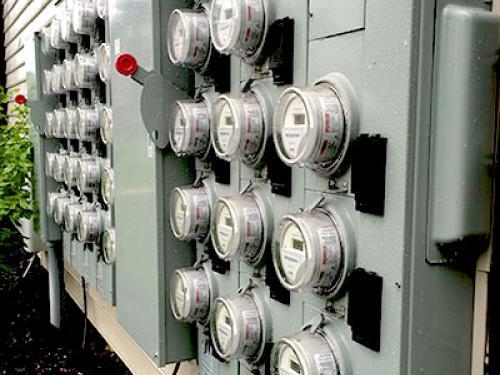
Submetering (reselling of utility services) and proposed legislation
A submeter allows an apartment owner or other company to purchase utility service (electric and water) and then resell that service to tenants.
Utility Service for Tenants (Submetering)
Tenants should understand how they will receive and pay for utility services before signing a lease agreement.
Understand your energy choices
Ohioans have an energy choice to make: who will supply the electricity and natural gas? It is common for energy marketers to solicit renters by phone, by mail, online, or door-to-door. However, Ohioans are under no obligation to select an energy marketer. There is no guarantee it will offer savings. Some local governments offer energy aggregation that may offer savings from the utility company’s standard offer (also called a default rate). However, don’t feel pressured to switch suppliers. It is also strongly recommended to keep utility bills and account numbers confidential and avoid showing them to marketers.

Energy Choice: Know Your Rights!
Ohio law clearly defines rules and codes of conduct marketers must follow.


Energy Choice: How to Spot a Bad Apple
A bad deal with a natural gas or electric marketer could cost you hundreds or even thousands of dollars a year. There are some “bad apples” to avoid!

Energy Choice: The Basics of Governmental Aggregation
Learn more about how government aggregation of energy works in Ohio.
Complaints
Currently, the OCC recommends consumers with complaints about a utility service that is resold by a submetering company contact their state representative and state senator at www.legislature.ohio.gov or State Elected Officials.
If you have an issue with your utility service, please contact the Public Utilities Commission of Ohio (PUCO) via their online complaint form. Complaints and questions may also be handled over the phone at 1-800-686-7826, or write to the PUCO at:
Public Utilities Commission of Ohio
ATTN: CSD
180 E. Broad St.
Columbus, Ohio 43215-3793
For complaints about non-utility matters, contact the Ohio Attorney General at 1-800-282-0515 or their online inquiry form at https://inquiries.ohioattorneygeneral.gov/.
- Other resources for renters
- Coalition on Homelessness and Housing in Ohio – COHHIO is a coalition of organizations and individuals committed to ending homelessness and to promoting decent, safe, fair, affordable housing for all, with a focus on assisting low-income and special needs populations.
- Public Utilities Commission of Ohio – The PUCO accepts utility service complaints. They have information about establishing utility service, rate plans and how the PUCO works.
- Ohio Attorney General – For complaints about non-utility matters.
- Ohio Consumer Protection – A complete listing of Ohio resources and agencies for consumer protection, including links to submit complaints.
- Ohio Department of Insurance – Learn more about renters’ insurance.
- Ohio Legal Assistance Foundation – Find an attorney or self-help legal materials.
- Ohio Legal Help - Resources for Ohioans in need of legal assistance for a variety of reasons, including housing, families, debt, court appearances, public benefits, seniors, traffic, utilities, scams, ID theft and consumer fraud.
- Ohio Landlord/Tenant Law: Tenant Resources – Franklin County Law Library-for all of Ohio.
- ORC 5321 Landlord and tenants – The Ohio Revised Code for landlord and tenant laws.
- ORC 5323 Residential Rental Property – The Ohio Revised Code for renting laws.
- HUD in Ohio - Find complete listings of resources for renting in Ohio from the U.S. Department of Housing and Urban Development.
- HUD Complaints – File a housing complaint about a variety of issues at HUD’s online complaint form.
- Ohio's Legal Aids
- Akron/Canton/Youngstown – Community Legal Aid
- Cleveland – Legal Aid Society of Cleveland
- Cincinnati – Legal Aid Society of Greater Cincinnati
- Columbus and Southwest Ohio – Legal Aid for Southeast and Central Ohio
- Dayton – Legal Aid of Western Ohio
- Toledo – Toledo Legal Aid Society
- Contact your school
There are resources to help students who are moving off-campus, commuting or graduating. This list is only a sample of housing offices from Ohio colleges and universities. For more information, contact your higher education institution.
Institution Office University of Akron Off-Campus Living Bowling Green State University Off-Campus Student Services Case Western Reserve University Division of Student Affairs University of Cincinnati Division of Student Affairs, Office of the Provost Cleveland State University Department of Student Life University of Dayton Office of Student Development John Carroll University Office of Residence Life Kent State University Commuter and Off-Campus Student Organization Miami University Off-Campus Outreach, Division of Student Affairs Ohio University Division of Student Affairs The Ohio State University Off-Campus and Commuter Student Services University of Toledo Commuter Student Services Wright State University Student Support Services Xavier University Commuter Services and Off Campus Living Youngstown State University Housing and Residence Life
080425