

How to Avoid Utility-Related Scams and Fraud
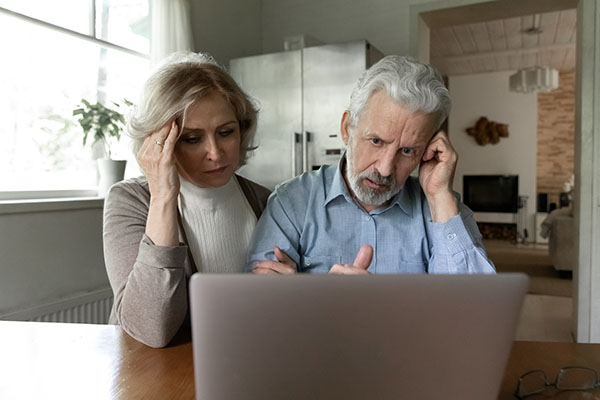 Scams targeting consumers are a widespread problem. There are hundreds of known scams, and new ones are always emerging. The Office of the Ohio Consumers’ Counsel (OCC) has developed this fact sheet to help consumers avoid common utility scams. More information about scams can be found via the Ohio Attorney General at www.ohioattorneygeneral.gov and the Federal Trade Commission at www.consumer.ftc.gov.
Common utility-related scams
Slamming. This occurs when a consumer’s energy provider or telephone carrier is switched without authorization. To avoid being slammed, it is important not to share account numbers or show utility bills to anyone unless intending to change providers.
Consumers who think they have been slammed should first contact the company to challenge the change. Then, contact the utility and ask to be returned to the original provider. Ask for all charges related to the unwanted switch to be removed from the bill. Next, contact the Public Utilities Commission of Ohio (PUCO) to report the unauthorized switch.
Cramming. When charges for services are added to utility or telephone bills but were not authorized, this could be cramming. Charges are often small, vague, and easy to overlook.
Consumers seeing charges for unauthorized services should contact the company that put the charges on the bill and ask that they be removed. Also contact the utility and let them know that the charges should be removed. It is recommended that cramming be reported to the Ohio Attorney General’s Office.
Emergency payment scams. Beware of anyone claiming utility service will be disconnected if payment is not made immediately. Utilities are required to provide prior notice well before services can be disconnected for nonpayment and they do not disconnect service outside normal business hours.
Utility companies do not require immediate payment by prepaid debit card or gift card or contact customers for personal or account information. Consumers told their account is past due should check its status online or call the customer service number listed on the utility bill. OCC’s Your Guide to Energy Disconnection and Reconnection fact sheet at www.occ.ohio.gov provides more consumer rights.
Fake websites or pop-ups. Sponsored or paid ads on search engines can lead to a fake utility bill payment page or download malware onto devices.
Quishing. Scammers can use QR codes to link to a fake utility payment page or to download malware to steal personal and/or account information.
SMShing. Text messages claiming to be a utility can urge immediate action to pay a bill or verify suspicious account activity. Clicking on links can install malware or go to an authentic-looking webpage requesting private information. If unsure, verify using the company’s customer service information on the bill.
Utility worker imposters. Someone may claim to be at a consumer’s home to work on utility-related equipment. If utility employees or authorized contractors need property access, consumers will be notified in advance with time to confirm the appointment.
After widespread power outages, a scammer may offer to restore power for an upfront fee. Utilities do not require payment to restore service after a natural disaster or related outages.
False refunds or discounts. Consumers may be promised refunds, free products, or services. Check these claims before providing any information or allowing a stranger into the home. Legitimate overpayments will be credited to the account without any need to provide or verify personal or account information.
Caller ID spoofing. “Spoofing” technology can be used to change the readout appearing on Caller ID. It is important to be cautious even if it looks like the utility is calling. When unsure, contact the utility with the number found on the bill.
Door-to-door. Scammers posing as utility representatives have been reported. Always ask to see a photo ID and verify with the company before allowing anyone to enter the home. Be cautious about sharing any personal information, including utility bills.
Solar Scams. Solar scams are on the rise. Scammers often claim to be with a utility and offer free solar panels or other benefits. Do not feel pressured to make any immediate decisions. Always research the company and its claims. The U.S. Department of Energy offers a Homeowner’s Guide to Solar at www.energy.gov.

Avoid being scammed
Protect personal information. Utilities will not contact consumers asking for personal or account information. Be wary about sharing or verifying sensitive information and do not show a utility bill to anyone claiming to need to check or verify charges.
Be cautious. Be wary of allowing an unknown person into the home. Be cautious of calling unfamiliar numbers. Hang up if instructed to press a number or dial a toll-free phone number.
Do not rush. Scammers often use high-pressure tactics and demand fast action so their claims cannot be verified. Review utility bills monthly, question unfamiliar charges, and do thorough research before signing a contract.
Report scams
If fraud is suspected, contact local law enforcement. The Ohio Attorney General’s Office can also address utility scams. Call 1-800-282-0515 or complete their online complaint form at www.ohioattorneygeneral.gov.
Direct questions and complaints about utility services, including scams, to the PUCO. File informal complaints via their online complaint form at www.puco.ohio.gov, or call 1-800-686-7826.
More information
Learn more about utility scams with the Utilities United Against Scams’ Guide to Utility Scams at www.utilitiesunited.org.
To download: Click the folder with a down arrow icon. To print: Click the printer icon in the top right of the display.
If you need multiple copies for an organization or group, please contact a member of our outreach team.